White Jasmine & Mint
Inspired by an English country garden, this cologne blends jasmine, lily, orange flower, and rose with an unexpected mint twist.
Try with: Honeysuckle & Jasmine — a layered, heady floral pairing for close encounters.
Notes and ideas on layering scents, inspired by a quiet morning among the jasmine vines in May 2010.
The One Who Was Awake — from the May 2010 archive. Inspired by a jasmine-covered fence in a sister’s Buddha garden, these are combinations worth trying when one scent alone doesn’t feel quite complete.
Inspired by an English country garden, this cologne blends jasmine, lily, orange flower, and rose with an unexpected mint twist.
Try with: Honeysuckle & Jasmine — a layered, heady floral pairing for close encounters.
Soft rose layered with orange blossom creates a creamy, lingering veil that lasts from bath to bedtime.
Apply the bath oil first, follow with Orange Blossom Cologne on pulse points.
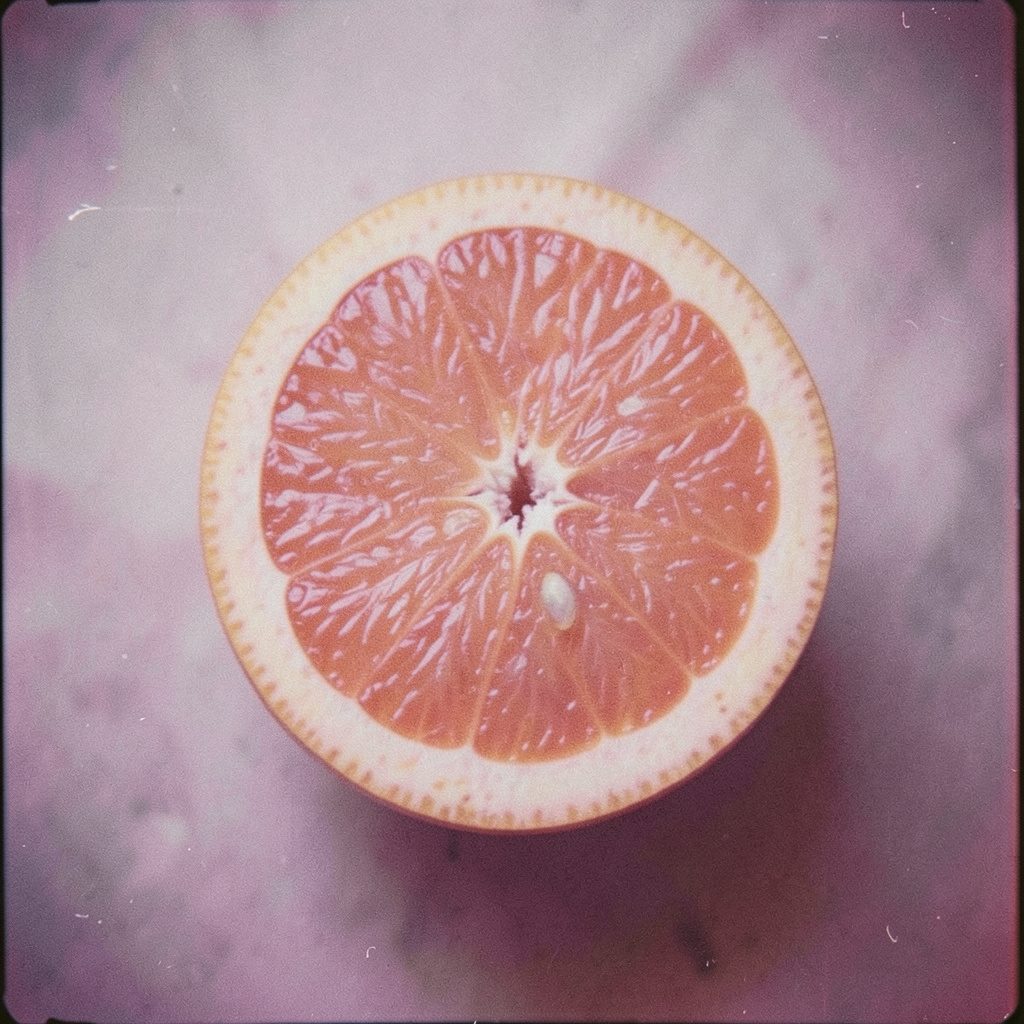
Bright, citrus-leaning pairings to match the season — Grapefruit layered with something airy for warm weather.
Try Grapefruit over a base of light musk or soft amber.
Refreshing, clean scents that pair well with post-exercise routines and cooler skin.
Reach for Lime Basil & Mandarin on its own, or over a light body cream.
Combinatorial fragrance pairing is a small craft of its own, built from the idea that two familiar scents can be set beside each other to create something new. The approach treats a fragrance wardrobe less like a row of single bottles and more like a palette of compatible notes, inviting a wearer to layer, contrast, or echo between them. Layering can soften a sharp floral with a creamy base, brighten a green note with a hint of citrus, or stretch a fleeting top into a longer arc on skin. The method borrows from perfumery traditions where accords, rather than single absolutes, define the final impression, so each combination becomes a private formula tuned to mood and weather rather than to any brand or season.</item>
Layering fragrances is an old practice, often treated as an art reserved for perfumers, yet anyone can approach it with a little curiosity. The idea is straightforward. Choose a softer anchor scent, then add a brighter or sharper note on top so the two interact on the surface of the skin. Skin chemistry matters, as warmth and oiliness can lift top notes faster than dry skin would. Climate is rarely the deciding factor, though humidity tends to soften edges. Considered pairings, like florals with mint or rose with orange blossom, can transform a simple routine into a personal signature.
The principle behind successful pairings rests on balance rather than intensity, and balance begins with contrast in interest. A green or herbal note can keep a heavy floral from feeling overwhelming, while a soft musk can ground a bright citrus so it does not vanish within an hour. Families of scent offer useful guidance. Florals tend to speak to other florals, citruses lift almost any companion, woods anchor softness, and musks smooth sharp edges. Treating fragrance like color, where one shade sets off another, helps the process feel intuitive rather than technical, encouraging experimentation guided by mood rather than rigid rules.
Application technique quietly shapes how a layered scent evolves across the day. Pulse points radiate warmth and project a chosen pairing, while clothing and hair tend to hold scent longer with less projection. Applying the deeper note first, allowing it to settle briefly, then misting the brighter note on top helps the lighter accent read clearly. Edges of variation matter, since layering the same two scents in a different order can produce a noticeably different impression. Storage also plays a quiet role, as heat and light break down delicate molecules. Small adjustments lead to a more personal finish each night.
Layer fragrance onto hair and clothing for a longer-lasting trail. Hair holds scent gently through the day, while fabric often reveals different facets of the cologne than skin does.
Keep bottles away from direct sunlight and heat. A cool, dark drawer helps preserve top notes like pear, citrus, and fresh florals so the composition stays true from the first wear.
Florals and fruits that inspired these pairings.